
Listen to the Podcast:
In this episode, I discuss the credit cards in a short everything you need to know episode.
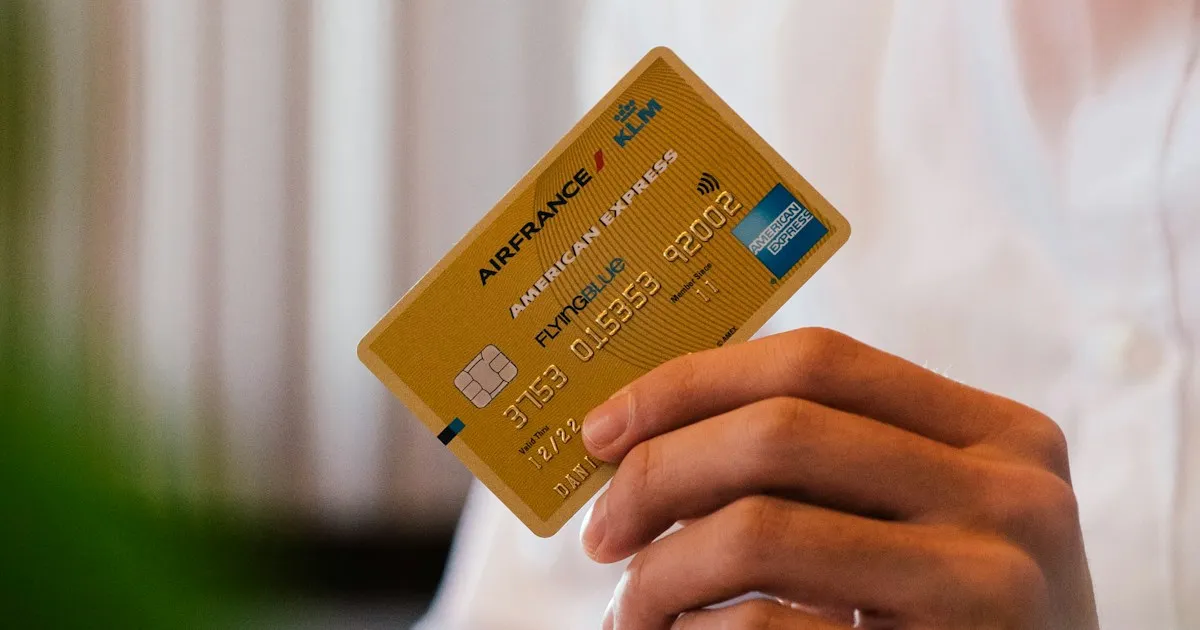
Credit cars are one of those incredibly sharp doubled edged swords that too often cuts the person holding. But it doesn’t have to be that way. Credit Cards are an incredibly powerful tool when used appropriately (and by someone who can use them appropriately). In this episode we break down the proper use of credit cards to avoid debt, get out of debt, and grow your financial position.
Show Notes
@MoneyTalkWithMrJ
Budgeting App + Coaching with MyBudgetCoah
Recommended Books (Amazon Affiliate Links)
Profit First
Key Ideas
The importance of keeping credit utilization low
Common credit card mistakes like spending more than you can immediately pay lead to debt
Carrying a balance can become expensive very quickly due to high interest and compounding
Paying balances twice per month crushes the debt faster
The benefits of fraud protection and credit card rewards
Credit card cash advances should always be avoided
The debt snowball method can help you build momentum
Living below your means is the foundation of financial health
Bonus Tip
Here is a bonus tip I didn't get to in the episode.
Credit cards can be just like a debit card if you want the benefits of credit but the restraints of debit. It is a harder work around, but you simply make a credit card payment after every transaction. This ensures you don’t have more money on the credit card than you have in your account. There are lots of ways to protect yourself when using credit cards!
Transcript
Shaun Morgan
Welcome to the Teacher Money Show, the podcast dedicated to helping teachers navigate your unique financial challenges and unlock your financial powers. I'm your host, Shaun Morgan, a full-time educator and personal financial coach and speaker. And I'm here to help every teacher, whether you're a seasoned teacher looking for fresh insights or a new educator navigating your first paycheck to have a richer wallet, classroom, and life.
Shaun Morgan
I'm super excited to have Marc Jenkins back on. on the show today. Marc is a 32-year veteran PE teacher, and we had him on last time for our Lunch and Learn episode where we talked all about credit. We're going to do a deep dive into another topic, just another quick hit. Marc, welcome to the show.
Marc Jenkins
Thank you so much for having me. I'm thrilled to be back.
Shaun Morgan
You know, we had a fantastic discussion about credit last time. Specifically, I loved our discussion of the credit freeze and things like that that can really keep your credit safe. And we're going to continue our discussion of credit in a different avenue in credit cards. That's what we're going to be talking about today, just trying to understand credit cards and how to use them properly and so forth as teachers. So let's just start off really quick. What is a credit card? Why do people use them? Just get a quick basic thing. I'm sure we all know it, but you know, just to get a baseline.
Marc Jenkins
I think a lot of it has to do with just building your credit because, uh, that is such a big part of your credit score is the use of credit. That revolving debt, and just making sure that you can identify that credit utilization limit, your allowable limit, and trying to stay below 30% of that. And that's really the give and take of the credit card has to really do with paying it off every month. That's really what that's going to help benefit the most.
Shaun Morgan
Yeah, so that revolving line of credit, I think is the key here. We're using it and paying it off, using it, paying it off. And I think that kind of goes right into that first big problem that I want to talk about, like the mistakes people make with credit cards. What do you think is the big mistake someone will make with a credit card in that vein?
Marc Jenkins
I think a lot of times, even people who are really good with their credit cards, I think sometimes they'll max out their credit cards, knowing they can pay it off every month. And if you can't get that paid off before it gets reported to the credit bureaus, you're hovering right around seven. 70%, 80% credit utilization. So that would be definitely one thing I would look at. I think the people that carry balances, I think one of the most underreported parts of credit cards is that credit card balances, credit card interest is calculated daily. So a lot of times I feel like that interest rate kind of gets away from you a little bit and you get into this kind of debt cycle that you're really having trouble getting out of because you just are paying at the end of the month and there's so much more interest that accumulated since your last payment.
Shaun Morgan
Yeah, I think those two things are absolutely key to keep in mind is the credit utilization. And if you have that issue where you're using a big chunkier credit card, it's important to maybe apply for more credit cards so that way you can spread it out because having that below 30% really helps your credit score stay in a good spot. Having more credit cards isn't going hurt you as long as you don't go crazy. So if you're good with your money, but you're using too much of your credit card, having more so that way you can spread out that utilization or even just like requesting a limit increase is huge. But once again, this is only for people who are using their credit card responsibly, able to pay it off every single month. They just have that high credit utilization rate, which can hurt your score. So I want to be very clear on that. I'm not advocating you just get a bigger limit because you're maxing it out and you're not paying it off. That's a bad idea. It's just if you are paying it off, but you have that credit utilization, that is a problem. You can look into those things for the credit score factor. And then you're talking about the not paying it off and you're like, well, you know, I'll get to it or whatever. But that daily rate is huge. And, you know, it's not 25% every day, right? People freak out and think that's what it is. But if you have that 25%, you divide that number by 365 and that's the percent that you're getting every single day. And it's. it's. sounds like a small number when you do that, but just keep in mind that it's hitting and compounding on itself every single day, and that's when it really starts to snowball against you because when we talk about compound interest or compound growth in the stock market, we're talking about yearly type of a thing versus the daily just hitting you again and again and again, which is huge.
Marc Jenkins
And I think a lot of times a good strategy to combat that is when you take whatever monthly payment you're going to make, just divide it in two and see if you could pay off your credit cards on the 10th and 20th of every month, and that way you'll kill a little bit of that interest on the 10th, you'll kill a little bit more on the 20th, and you're just cutting down the daily interest charges that way.
Shaun Morgan
Yeah, that's great. So if you have that balance you're already carrying, then hitting it twice a month is going to actually save you money because of that daily interest rate. It will, it will, and it just keeps you sane.
Marc Jenkins
Even if you're going to pay it off in full at the end of the month. Go ahead and pay it off at the 10th and the 20th. And, you know, you'll just sleep better at night knowing you're just not running into an opportunity to raise that interest payment so high.
Shaun Morgan
Yeah, I like that. I use the 10th and the 25th as my two payment dates. I've been doing just like alternating between credit cards that are going to be due before the next one. But I really like that idea of just keeping, you know, all my credit cards and get paid off each of those dates because you're going to be ensured that even if, you know, for some reason something happens, you have an emergency and you can't get to it, like you're going to drop your interest that you're paying. And it's just making sure that you're consistently hitting it. I think that, you know, that's fantastic. But I think the important part, the really important part is that system in place so you don't end up holding a balance. That's important.
Marc Jenkins
I think a lot of the good bill payers have a bill paying cadence and they know when they're sitting down. And working on those bills and paying this bill off at this time on this date. So I think that bill paying cadence really factors into credit cards the most.
Shaun Morgan
Yeah, I discovered the bill paying cadence when I read the book Profit First, which is a fantastic business book. But I'm like, I don't need this to be a business venture for me to apply this in my own personal life. And I just took a lot of those principles to my own life. And the system just makes all the difference. And like I said, credit cards is just one example of where that's helpful. So credit cards are probably the number one example of people getting burned by debt. It's just, it's so, so common. But they're not inherently evil, right? No, no financial instrument is inherently evil, necessarily. So what is the role of a credit card in a healthy financial life versus, you know, the racking up?
Marc Jenkins
I just think that a lot of times you get protections from credit cards when you are making a purchase and you need to challenge those purchases because the goods or services weren't delivered and you can challenge those where you cannot do that on a debit card. So you get a few layers of protection from different vendors on that. Building credit is certainly responsible credit card users are certainly building credit, trying to keep that score above 780. 760 is even sufficient for that. But I think one thing I like about credit cards is that you get to use them for budgeting, money tracking, just to see, you know, where is my money going? It's going to be visual for you. You could print them out if you like hard copies, but it's super easy to follow. Where's my money been going? Well, this card only pays gas. This credit card only pays my groceries. And it just helps with budgeting and money tracking, I think would be my number one. Yeah.
Shaun Morgan
And when you do that, you can actually use the other benefits of credit cards to your advantage, right? If you have your grocery card, that's going be the card that has like the highest cashback reward on groceries. If have your gas card, that's the card with the highest cashback reward on gas. And you can use those things to your advantage because credit cards have those rewards. The way they're able to offer those rewards is when you don't pay your balance, they have a really, really high interest rate. So you've got to pay that off. But if you pay it off and you're able to then use those rewards, it has that protection for your fraud or things like that. And it has that your ability to kind of like, you know, bucket them out like you're talking about. And then you also get the reward benefit on top of that, which is fantastic. It is.
Marc Jenkins
I just, I think as far as budgeting and tracking your money, that's really an easy way to use credit cards, but you have to have the money first. You can't be having a revolving credit card every, that every month where you just using them because you don't have the money. It's certainly helpful when you're like, well, I'm to put this on the credit card because I do have the money.
Shaun Morgan
Yeah, absolutely. Absolutely. Okay. So let's talk about some, some nuanced pieces of credit cards just to make sure that we're hitting these most important things. So let's say you need some cash right now and they've got this nice cash advance feature on your credit card. What's up with that? Should we go ahead and pull that cash out? can pay it off later, right? It's all good.
Marc Jenkins
Oh my goodness. This would be my last choice. So number one, this is a great reason to have an emergency fund. This will allow you to dip in. to your emergency fund to pay off those things that might require cash. Maybe your kid has a tutor. Maybe your lawn care service is getting cash. But a cash advance, boy, first of all, you're probably going to get hit with a transaction fee. Now, that might be 3%, 5%. So that's right off the bat. Then whatever amount you withdraw as your cash advance, that's going directly against your credit utilization. And the third part starts accruing interest right away. So as soon as you draw that, there's just so many bad things when you're taking a cash advance.
Shaun Morgan
Yeah, absolutely. I think that the biggest whammy is that there's no grace period. Unlike using your credit card regularly, there's no grace period. And they don't advertise that. But they will push it. So I hate this. But my credit card company sends me checks in the mail. Saying, use this, and it's a cash advance check, right? And I'm like, this is just so predatory for them to make it seem like, oh, it's a check, like a debit would have, but it's a cash advance, which is going to immediately start hitting you with that interest. It's just something to really be super careful about because of those major downfalls using the cash advance. I mean, like, please borrow money from your crazy uncle or borrow money from a cash advance on a credit card.
Marc Jenkins
And not to mention the interest rate on cash advances is often higher than your regular standard balance rate.
Shaun Morgan
Yeah, absolutely. So, you know, emergency fund, obviously, you know, anything else that you can borrow from cash advance would be like the absolute last resort. Yes.
Marc Jenkins
In most cases, like, you don't really...
Shaun Morgan
I need cash, cash, right then. So just don't, just don't. Okay. So now that we've hit that one, the other big thing is that the overspending, what are some like systems that people can put in place to make sure they aren't over utilizing a credit card?
Marc Jenkins
Well, I like a lot of times to calculate my hourly rate of pay. So if I'm going to overspend on something, I need to have some friction in place to kind of challenge that purchase. And you could have a 48 hour waiting period maybe where you're like, hey, these bigger purchases, I'm not, I'm going to put in my cart and I'm not going to go make that purchase until I sit on it for 40 hours and see if that's something I still really want or really need. Other than that, if you calculate your, your rate of pay, you're like, hey, I need four hours to make this purchase of work. Is that worth it? You got to figure out, is that juice worth the squeeze? So I think just a couple of friction points where it's not just so easy to make those decisions. Maybe even something as simple as, hey, I'm trying to stay below that 30% credit threshold for my utilization. So if my available credit starts climbing or shrinking, then I'm killing that 30%. And that might be a little bit of an incentive for you not to.
Shaun Morgan
Yeah. And I think just, you know, the other obvious thing is to make sure that you're budgeting a zero-based budget where you have like certain things that you have budgeted for certain categories. So that way, if you don't have any money in that category, you're not making that purchase. So you're not going to be putting on a credit card. You're not going to be overspending. It's just, you have to have the guardrails in place or you're going to fall off the edge. I think that's great. All right. Do you need. Your credit card. Or are there some people that should avoid credit cards?
Marc Jenkins
Well, I think a lot of people who can't tell themselves no probably should use cash. You're not really going to walk around with your checkbook because of check washing and how easy it is to access your checking account once they get your routing number and your checking account. But I think there's really two people that should, two ways of looking at using credit cards. One is when you don't have the money, you just resort to credit. Oh, I'll just charge it. You know, I'll pay it off when I can pay it off. Okay, that sounds good. And oh, look, I'm getting this 20% off on this purchase. I'll just charge it until you're paying 20% a month for the next six months. Now the 20% savings is long gone. So I think there's people that don't have the money using credit cards. But if you're one of the people that... Knows you have the money. Credit cards, utilizing those points, aligning those credit card choices with some of your lifestyle. I think those are the people that really could be using credit cards, should be using credit cards, because you are really responsible with paying that down every month.
Shaun Morgan
Yeah, and like we said, there are a lot of great benefits to using a credit card if you use it correctly. But as soon as you stop using it correctly, it's just, it's going to be a straight fall off the cliff. So it is a double-edged sword, something to be very careful of. And I think it's really about the personal habits. If you have those strong personal habits, credit cards are fantastic. If you are worried about those personal habits, if you're like, I'm not really sure I can trust myself, that's when you want to be more in the cash boat. So, like we said, debit cards can be dangerous because of the fraud aspect of it. So only use those use credit cards Sparingly, but cash as much as possible. Oh, man. All right, now let's talk about if you are in credit card debt. I'm sure there's someone listening that has some credit card debt that they're trying to get from under it. So we've already talked about the pain twice a month, having that cadence. Do you have any other thoughts on habits that we can use to get out of credit card debt?
Marc Jenkins
For me, when I talk to people, my kids' friends that have credit card balances month over month, I really say that my first rule is there's no spend shaming. I think if you can get in the right mindset to keep yourself motivated to pay off those credit card bills, that is probably my first step where I don't... don't want them to say, should never have, and why did I have? Let's not go there. Let's just move from here forward. You made the decisions you made. Let's move forward, and let's not do the payment shame of looking backwards. That'd be my first thing that I want them to do. But it might be that they've heard a new system on here today on this podcast where they're going to start paying their balances. My brother gets paid weekly. So if you could pay off your 25% of your credit card every week, that would be one way to knock down the timing of your debt, and it would really cut that interest down quite a bit as well. So I think making sure that you pay that off weekly would be my number two.
Shaun Morgan
Yeah, so just as soon as you can put money towards it because of that daily interest rate. In we talked about the cadence, but if you get paid and your cadence day is... And for another three days, don't, don't wait, pay as soon as you can. Right. And this can be applied to doing like a side hustle, right? If you're trying to hustle to get out of that debt and you get paid for driving Uber and it's like five bucks, don't be like, Oh, I'll just wait for like, you know, a couple of days. So I get a couple more, like, no, just take that five bucks, flop it on in there because of that daily rate, the more often you pay faster, you're going to pay it down. And then of course, just having a system in place where you are intentionally setting aside money for debt. You know, the richest man in Babylon, for example, recommends 20% of everything you, you earn goes towards debt at a minimum. And, and I think just having that kind of a discipline in place saying, I'm going to spend this chunk of my paycheck towards paying down my credit card debt is absolutely essential. And then building your life around what's left over. Not spending how you want and then be like, oh, I got some leftover, I'll pay down my debt, right? Because that's kind of how you got into debt in the first place is doing that. So doing that and keeping any use of the credit card down as much as you can during that payoff period so that way you aren't just digging up a hole and jumping behind you into the same hole, right? You don't want to be doing that.
Marc Jenkins
And I think people forget how emotional money can be. So when I had credit card debt, I used the snowball method because I wanted those small victories. So if you look up the snowball versus the avalanche method, I know the avalanche method mathematically is supposedly better. But for me, psychology of money is important. So I made sure that we paid off the lowest balance first, paying the minimums on all the rest. And then you take that balance, that money that you're putting towards every month, add it to the next smallest card. And before you know it, you've got two cards paid off. And just those little victories really will keep you motivated to pay down that credit card debt.
Shaun Morgan
Yeah, and I think that there are, you know, there's lots of different ways of framing it, but it all comes down to take some money and set that aside and pay it towards the debt. Like, I know this is mathematically optimized this way. It's a few dollars, really. Just whatever works for you, but make sure you're taking a set amount of money every single day, if you can, every single week, however often you can do it, and throwing that at those credit cards. And that's going to get you out of credit card debt. there's really no other way to do it. There's no magic bullet to get out of credit card debt other than spending less than you earn and taking that money and putting it towards that debt to get out of there as fast as you possibly can. You can do this.
Marc Jenkins
All right.
Shaun Morgan
So that's credit cards in a nutshell. Are there any other parts of credit cards that we haven't discussed yet that you would like to bring up for our discussion?
Marc Jenkins
I don't think so. I think we really covered everything. But again, the best credit card use is spending credit card decisions and all that money on things that you know you already have the money for. That is really going to help you keep those balances down. The people that are like, you know what, I can't afford this, so I'll charge it. That really is going to get you in a heap of trouble.
Shaun Morgan
Absolutely. And I always tell people, use a zero-based budget. I personally use my Budget Coach. If you would like to connect with me on my Budget Coach as a coach, you can go to teachingmoneyshow.com slash recommendations, and you can get a direct link to my Budget Coach there. I'll also post it in the show notes for this show, which you can find in the podcast player description. And it's just however you do a zero-based budget, do a zero-based budget. So that way you can say, I'm only spending the money that I have. I'm putting money aside. I'm So that way you are paying it down every single month. All right, Marc, this is a great lunch and learn, a quick hit that people can listen to on their lunch break, on their commute, whenever you want to listen to it. Just got two more questions for you. If someone wants to reach out to you and connect with you, what is the best way to do that?
So I recently, after our last get together, I recently launched an Instagram page called Money Talk with Mr. J. And it's just a good chance where I'm just posting different items for beginning knowledge and new investors. So it's just a good start for people who are like, hold on a minute, I was supposed to learn what? And that's really where we're looking for Money Talk with Mr. J.
Shaun Morgan
Yeah, please go and follow that. So that way it starts to grow more because we want more people to start hearing this information anywhere that we can get it. And I will, of course, put a link to that in the show notes and teach me. You can find the show notes for this show and any show directly there. And then my final question is, when it comes to credit cards, what is your number one tip for teachers to have a richer wallet, classroom, and life?
Marc Jenkins
Oh, I think live below your means. You know, when you guys are spending more than is coming in, that's where the problem is. But try to arbitrage those credit cards so that you can gain the benefits of those reward points from the people that aren't paying off their credit cards every month and reap those benefits for travel points or gas rewards. So that's probably the best way to go. I love that.
Shaun Morgan
Thank you, Marc, so much for sharing your wisdom on credit cards. Look forward to having you back another time. Thank you, Shaun.
Marc Jenkins
Love everything you do for teachers. Thank you.
Shaun Morgan
Wow. Wasn't that a great episode? Thank you, Marc, so much for coming on the show. I'm not going to do a traditional Cliff Notes version of the show because it was kind of short already. But just a quick recap. The ideas, of course, are spend less than you earn, especially when it comes to credit cards. You don't want to overspend there. Make sure that if you have credit card debt, you are not only investing the difference, but you are using the difference to pay down that debt. Debt is going to destroy your wealth, so make sure that it's getting paid off. And then, of course, you earn more to be able to do that. So you can earn more through a side hustle, or you earn more by paying off your credit cards as quickly as possible because you're not getting hit with that daily interest. I think that is probably the most important takeaway is that cadence twice a month, but if you are able to, even shorter than that because you're going to pay off that interest even faster. Those are the important things to remember about credit cards. They are a great tool. They have great rewards. They have great benefits like broad protection, but they are a double-edged sword. So make sure that you use credit cards responsibly. And as you do that, as you use this correctly, just remember that as a teacher, you are already rich. Your wallet just needs to catch up. Your wallet catch to